VHS vs Digital Video Quality
For many families, VHS tapes hold decades of memories such as birthdays, weddings, holidays and childhood moments recorded on camcorders or copied from old home videos.
But if you’ve recently watched an old VHS tape, you may have noticed the picture doesn’t look as clear as modern digital video.
This raises a common question: how does VHS video quality compare to digital video?
In this guide we’ll explain the differences between VHS and digital video quality, why VHS recordings degrade over time, and why many people now choose to convert VHS tapes into digital formats.

What Is VHS Video?
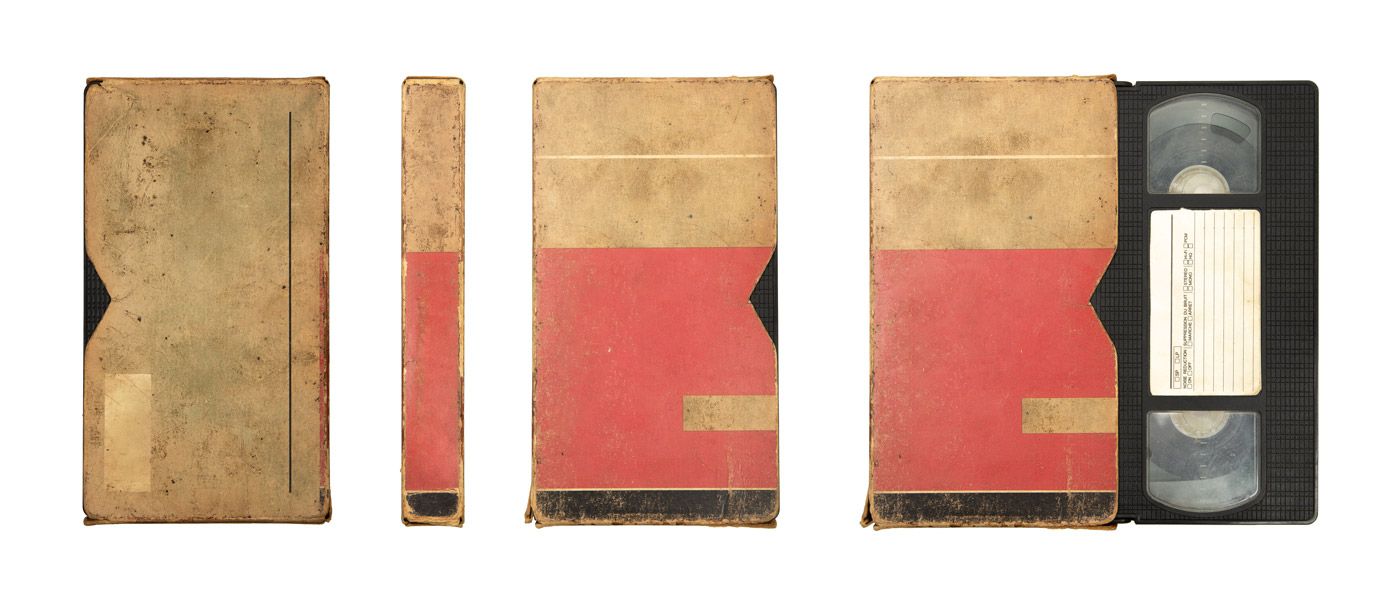
VHS stands for Video Home System, a tape format introduced in the late 1970s that became the most popular home video format for over two decades.
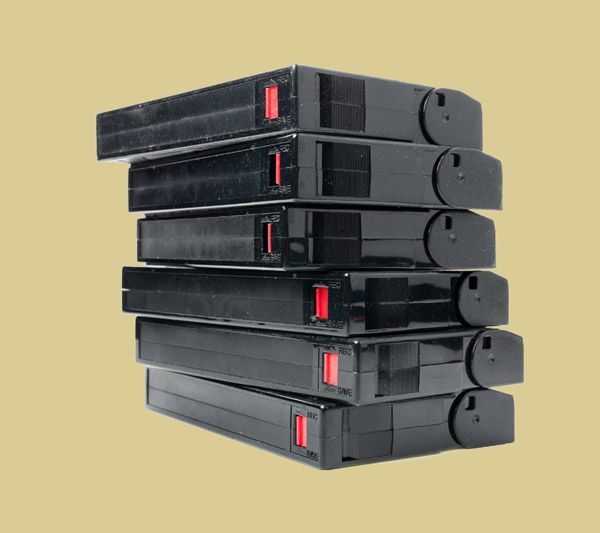
Unlike modern digital video, VHS records video using analogue magnetic tape.
The tape stores the video signal physically on a magnetic strip that moves past the playback heads inside a VHS player.
While this technology was revolutionary at the time, it has several limitations compared with digital video.
VHS Video Resolution Explained
One of the biggest differences between VHS and digital video is resolution.
Resolution refers to the amount of visual detail contained in an image.
Typical VHS recordings have a resolution of approximately:
240 horizontal lines.
By comparison, modern digital video formats are significantly higher:
- DVD: around 480 lines.
- HD video: 720–1080 lines.
- 4K video: over 2000 lines.
This means digital video contains far more detail than VHS recordings.
As a result, VHS footage often appears:
- Softer.
- Less sharp.
- Slightly blurry on modern TVs.
Why VHS Looks Worse on Modern TVs
When VHS tapes were widely used, most televisions were CRT televisions with lower screen resolutions.
Because of this, VHS video looked perfectly acceptable on the screens of the time.
However, modern televisions are designed for high-definition digital video.
When VHS footage is displayed on modern HD or 4K TVs, the picture must be scaled up, which can exaggerate visual flaws such as:
- Noise or grain.
- Colour bleeding.
- Blurry edges.
- Tracking lines.
This makes the difference between VHS and digital video quality much more noticeable today.

How Digital Video Is Different
Digital video works in a completely different way from VHS.
Instead of storing video signals on magnetic tape, digital video stores footage as data files made up of pixels.
This offers several major advantages:
Higher Image Quality
Digital video can support much higher resolutions than VHS, resulting in sharper and clearer images.
No Quality Loss From Playback
Unlike VHS tapes, digital files do not wear out when played.
Easier Storage and Sharing
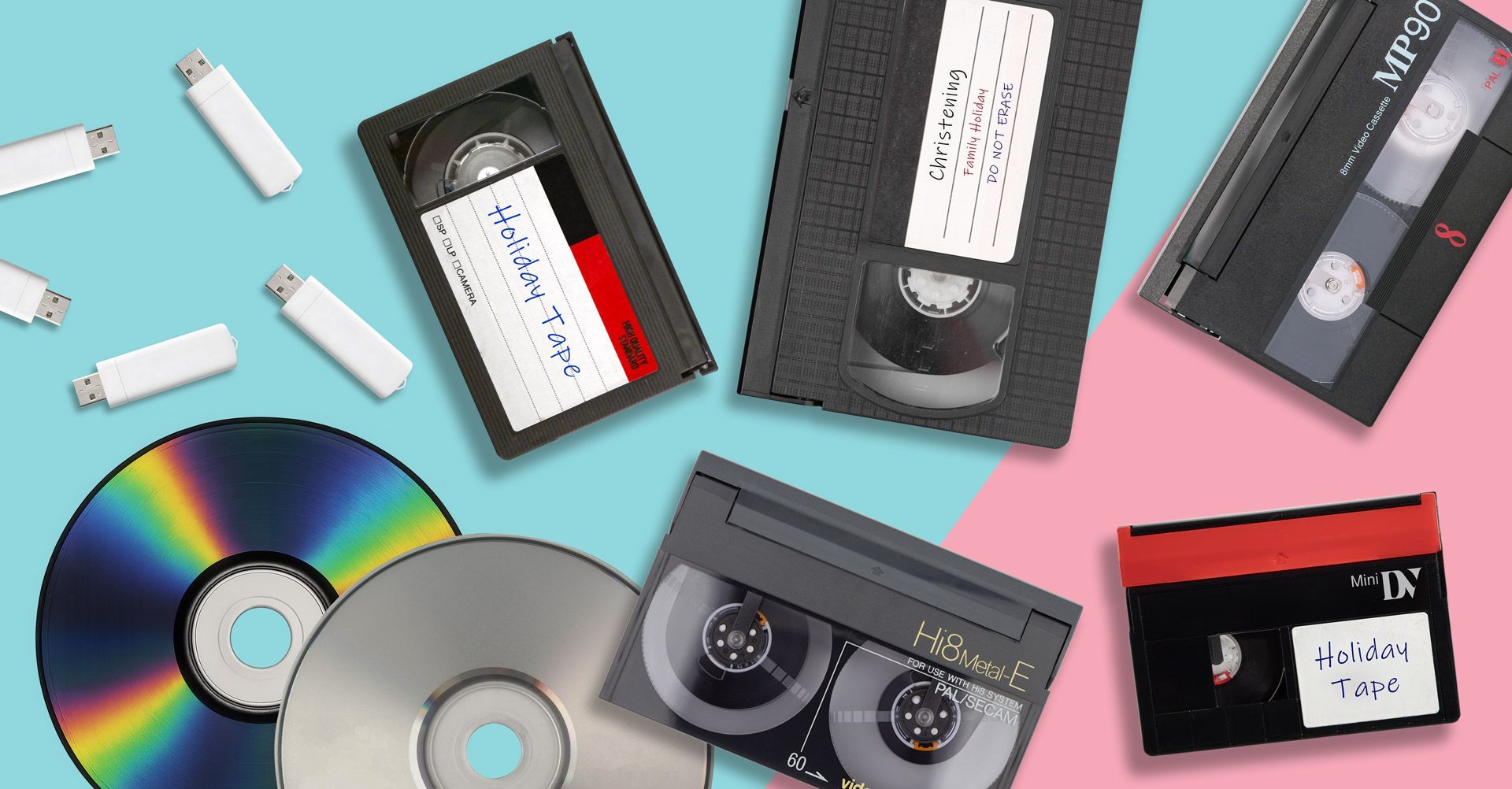
Digital video can be stored on:
- Computers.
- USB drives.
- External hard drives.
- Cloud storage.
This makes it far easier to access and share recordings compared with physical VHS tapes.
Does VHS Video Quality Get Worse Over Time?
Yes. VHS tapes naturally deteriorate over time because they rely on magnetic tape technology.
As the tape ages, the magnetic particles that store the video signal begin to degrade.
Common signs of VHS deterioration include:
- Fading picture quality.
- Flickering or distortion.
- Audio problems.
- Lines across the screen.
- Mould damage.
Because of this, old VHS recordings can gradually become harder to watch.
Our guide on Do VHS tapes deteriorate over time explains how ageing tapes can affect your recordings, and furthermore, we have a resulting article on how to store VHS tapes properly.
Can Converting VHS to Digital Improve Quality?
Digitising a VHS tape cannot add new detail that was not originally recorded.
However, converting VHS to digital can still provide several benefits:
Preserves the Original Footage
Once digitised, the recording will no longer deteriorate like magnetic tape.
Prevents Future Quality Loss
Digital copies can be duplicated and backed up without losing quality.
Easier Playback
Digital files can be watched on modern devices such as computers, smart TVs and smartphones.
Many people choose VHS to USB conversion so their videos can be easily viewed directly from a USB drive.
Another popular option is VHS to MP4 conversion, which creates digital video files compatible with most devices.
Finally, a less popular but still relevant option is VHS to DVD conversion.

Why Converting VHS to Digital Is Worth Doing
Even though VHS video quality is lower than modern digital formats, the recordings themselves often contain irreplaceable memories.
Unfortunately, these recordings remain at risk while stored on ageing magnetic tapes.
Converting your tapes using a VHS to Digital transfer service helps preserve the original footage before deterioration causes permanent damage.
Once converted, the videos can be stored safely and easily shared with family members for years to come.
VHS vs Digital: Key Differences
Here is a simple comparison between VHS and digital video:
| Feature | VHS | Digital Video |
|---|---|---|
| Recording type | Analogue magnetic tape | Digital data |
| Video resolution | ~240 lines | 480–4000+ lines |
| Playback wear | Tape degrades over time | No quality loss |
| Storage | Physical tapes | Files on devices |
| Compatibility | Requires VHS player | Works on modern devices |
While VHS was once the standard for home video, digital formats offer far greater convenience and reliability.
Protect Your Old VHS Recordings
Many people still have boxes of VHS tapes stored in cupboards, garages or lofts.
Although they may still play today, VHS tapes will eventually degrade.
Digitising your recordings ensures your memories are preserved and can still be watched on modern devices.
If you have old VHS tapes stored away, converting them to digital is the safest way to protect them before time causes permanent damage.