How to Store VHS Tapes Properly
Many households still have boxes of VHS tapes containing precious memories; family holidays, birthdays, weddings and childhood moments captured years ago.
While these recordings are often stored away safely, many people don’t realise that VHS tapes can deteriorate if they are not stored correctly. More information on this subject in our guide on do VHS tapes deteriorate over time. Magnetic tape is sensitive to heat, humidity and physical damage. Poor storage conditions can cause tapes to degrade much faster, potentially leading to permanent loss of the footage.
In this guide we explain how to store VHS tapes properly, what conditions to avoid, and how to protect your recordings for as long as possible.
Why Proper VHS Tape Storage Matters
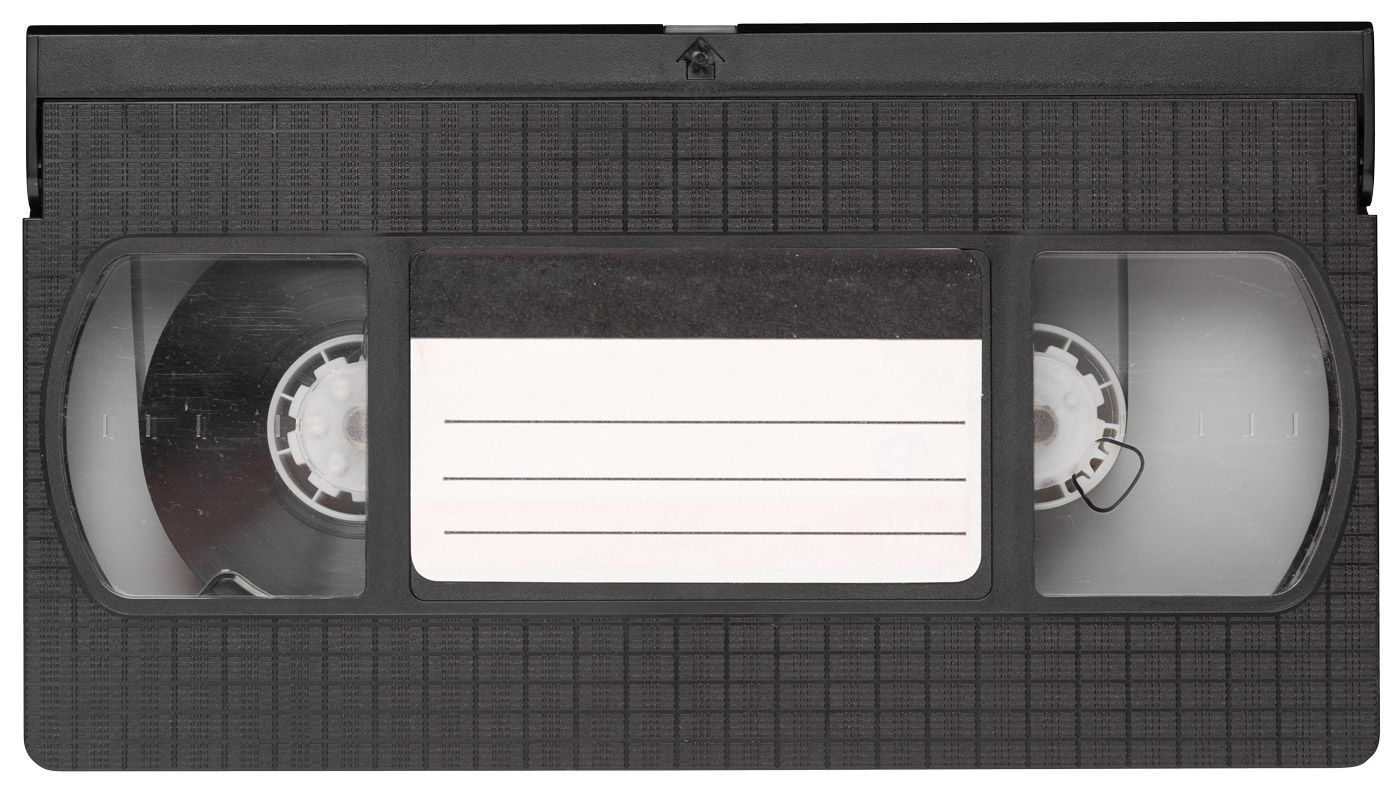
VHS tapes store video using magnetic particles embedded in plastic tape. Over time, this material can degrade due to environmental factors.
Poor storage conditions may lead to problems such as:
- Fading video quality.
- Distorted or crackling audio.
- Tape stretching.
- Mould growth.
Once damage begins, it may be difficult or impossible to recover the original recordings.
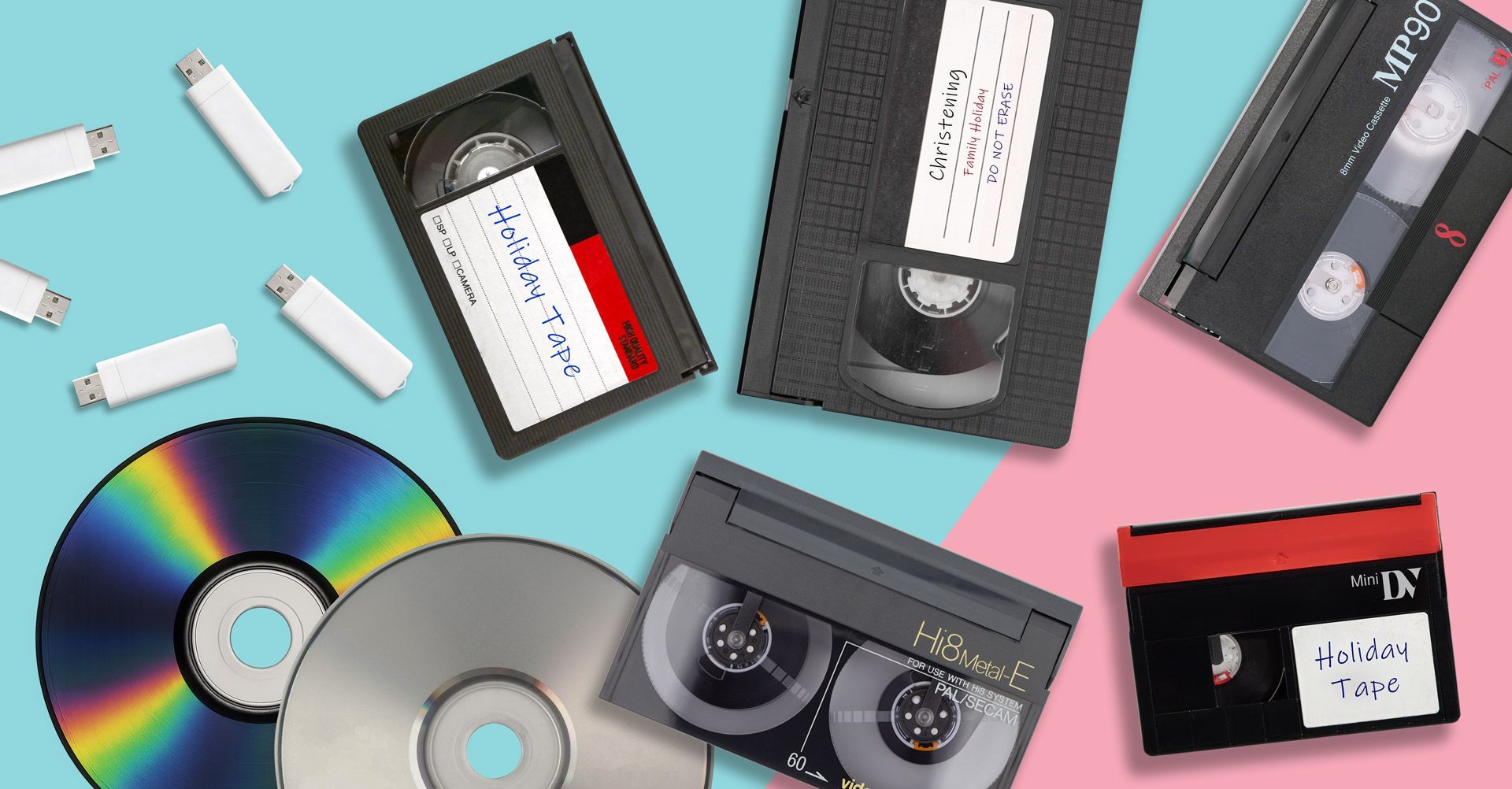
Many families choose to protect their memories by converting their tapes using VHS to digital conversion so the footage can be preserved permanently.

Store VHS Tapes in a Cool, Dry Environment
Temperature and humidity are two of the biggest factors that affect VHS tape longevity.
Ideally, VHS tapes should be stored in a cool, dry room with stable temperatures.
Recommended conditions include:
- Temperatures between 10°C and 20°C.
- Low humidity levels.
- Avoiding direct sunlight.
Lofts and garages are often poor storage locations because temperatures can fluctuate dramatically throughout the year.
Heat can warp the plastic cassette and damage the magnetic tape inside.
Keep VHS Tapes Upright
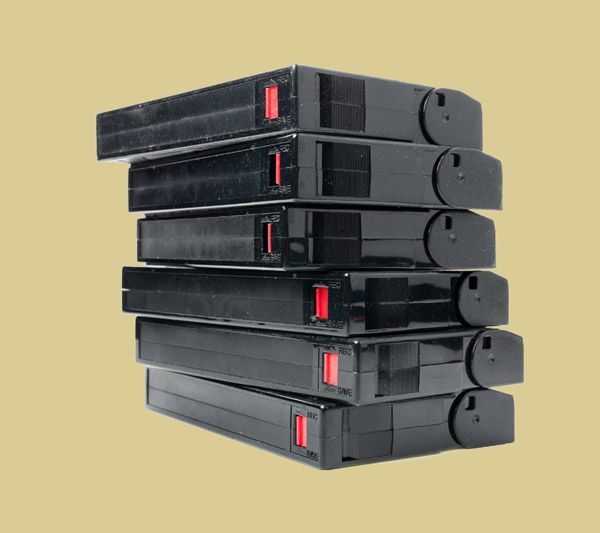
VHS tapes should always be stored upright (vertically) rather than stacked flat.
Storing tapes upright helps prevent:
- Pressure damage.
- Tape warping.
- Cassette distortion.
This is the same way books are stored on a shelf and helps maintain the structure of the cassette.
Avoid Dust and Dirt
Dust and dirt can easily find their way inside a VHS cassette and interfere with playback.
To minimise this risk:
- Keep tapes inside their original cases.
- Store them in sealed storage boxes if possible.
- Avoid placing them in dusty environments.
Protective cases help prevent contaminants from entering the cassette.
Keep Tapes Away From Magnetic Fields
Because VHS tapes store video using magnetic signals, strong magnets or electrical equipment can potentially affect the recording.
Avoid storing tapes near:
- Speakers.
- Large electronic devices.
- Magnetic tools.
Although most modern electronics produce minimal interference, it is still best to keep tapes away from strong magnetic sources.
Avoid Rewinding and Fast Forwarding Excessively
Repeatedly rewinding or fast-forwarding VHS tapes can cause unnecessary wear on the tape.
If you are still watching tapes on a VCR, try to handle them carefully and avoid unnecessary playback cycles.
Each time the tape runs through a VCR, it experiences friction from mechanical components.
Over many years, this can gradually degrade the recording.
Check Your Tapes Occasionally
If you have stored VHS tapes for many years, it can be helpful to check them occasionally.
Look for signs such as:
- Mould inside the cassette.
- Warped plastic casing.
- Tape slack inside the cassette.
If you notice mould or visible damage, it is best to avoid playing the tape until it has been professionally handled.

Why Digitising VHS Tapes Is the Best Long-Term Solution
Even with perfect storage conditions, VHS tapes will eventually deteriorate.
Magnetic tape simply does not last forever.
Because of this, many people now choose to convert their tapes into digital formats that can be safely stored and backed up.
Digitised videos can be watched on:
- Smart TVs.
- Computers.
- Tablets.
- Mobile phones.
Many families choose VHS to USB conversion , so they can easily watch their videos directly from a USB drive. Most popular option.
Another option is VHS to MP4 conversion , which creates digital video files compatible with most devices.
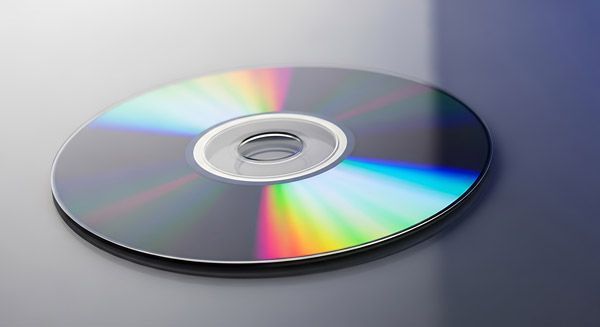
There is also a third option of VHS to DVD conversion, less popular these days.
Digital files also make it easy to share recordings with family members and keep backup copies.
Preserve Your Home Videos for the Future
Old VHS tapes often contain irreplaceable memories; anniversaries, family events, holidays, childhood moments and special occasions recorded years ago.
Storing your tapes correctly can help slow the deterioration process, but it cannot stop it completely.
Digitising your recordings ensures those memories are protected and can still be watched for many years to come.
If you have VHS tapes stored away, converting them to digital formats is the safest way to preserve them before time causes permanent damage.