Do VHS Tapes Deteriorate Over Time?
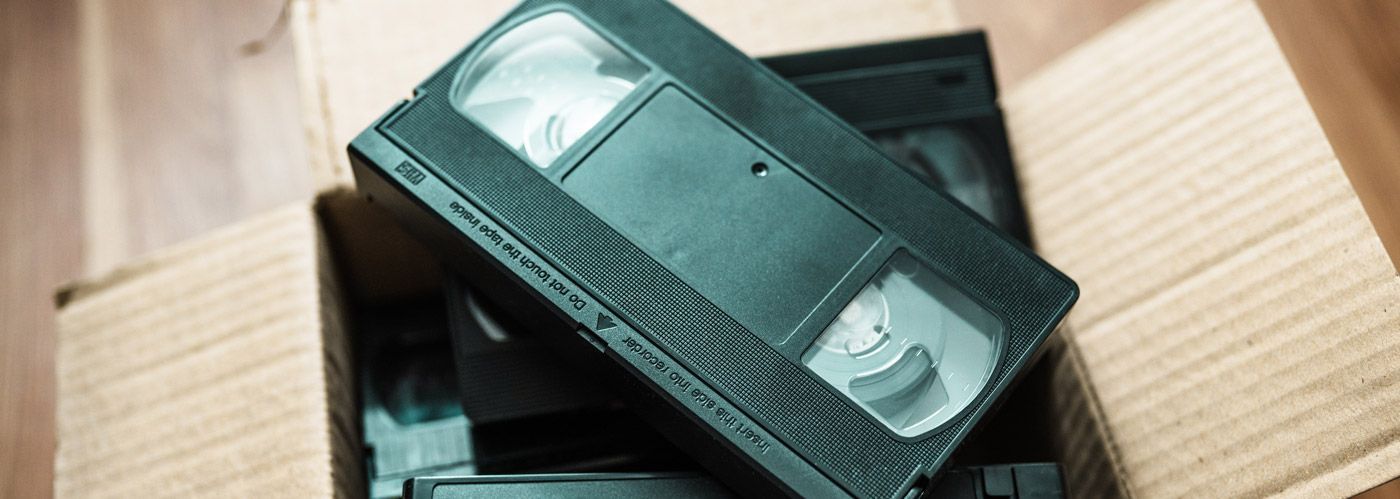
Many families still have boxes of VHS tapes stored away containing priceless memories — weddings, birthdays, holidays and home videos recorded decades ago.
But a common question people ask when rediscovering these tapes is:
Do VHS tapes deteriorate over time?
The simple answer is yes. VHS tapes do not last forever. The magnetic tape used to store video slowly degrades, which can eventually lead to fading picture quality, distorted audio or even complete data loss.
In this guide we explain why VHS tapes deteriorate, how long they typically last, and the best way to preserve your recordings before they are lost.
How Long Do VHS Tapes Last?
Under ideal storage conditions, VHS tapes can last around 20 to 30 years before noticeable deterioration begins.
However, this lifespan depends heavily on factors such as:
- Storage conditions.
- Temperature and humidity.
- Frequency of playback.
- Physical handling of the tape.
Many VHS tapes recorded in the 1980s and 1990s are now reaching the point where deterioration is becoming increasingly common.
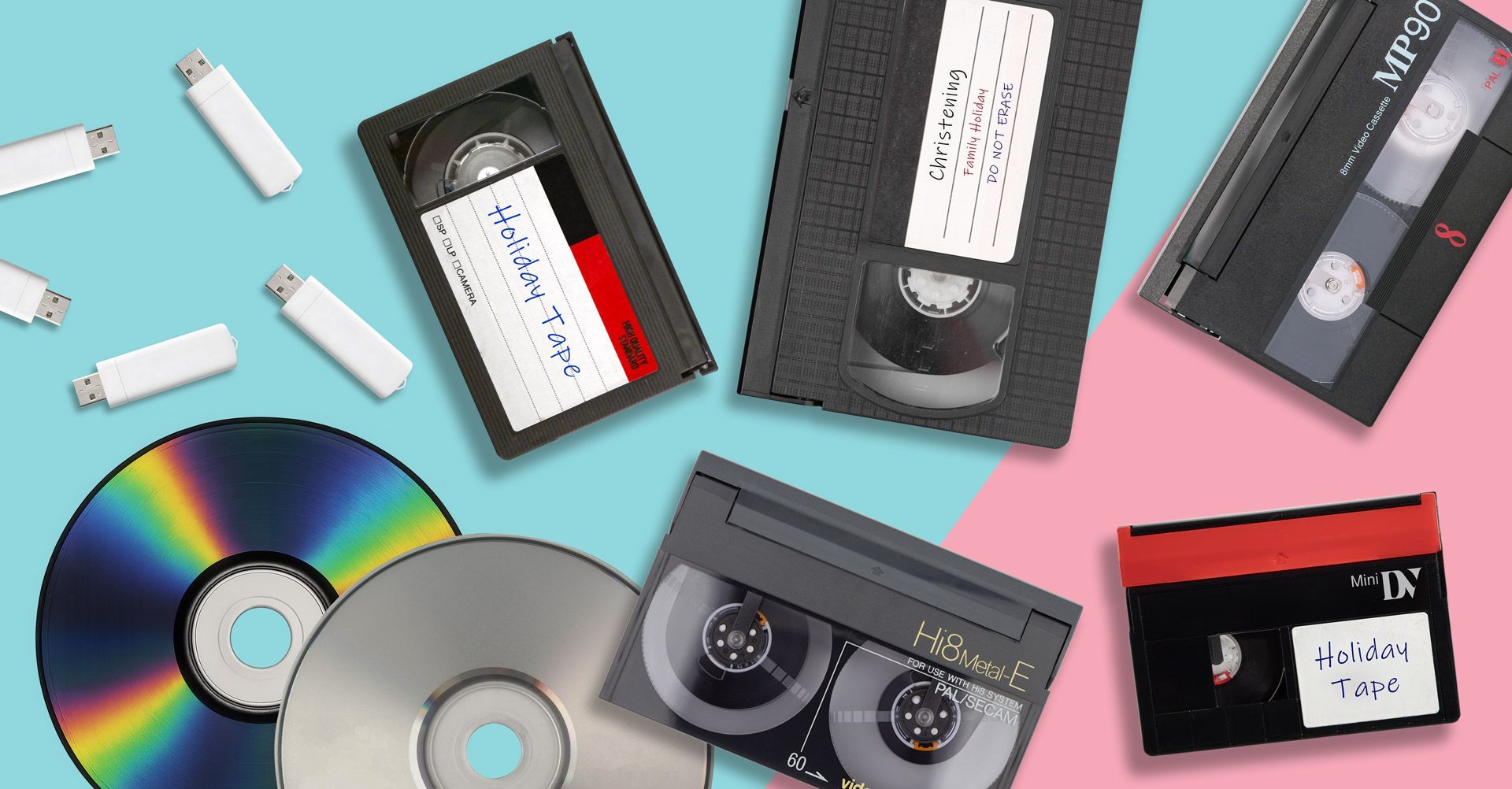
Because of this, many people are now choosing VHS videotape to digital conversion to preserve their recordings before permanent damage occurs.
Why VHS Tapes Deteriorate
VHS tapes store video using magnetic particles embedded in plastic tape. Over time, several factors can affect the stability of this material.
Magnetic Signal Loss
The magnetic signal that stores the video gradually weakens over time. As this happens, picture quality can fade and colours may become less accurate.
Eventually, sections of the video may become unreadable.
Tape Stretching
The plastic tape inside a VHS cassette can stretch or warp over time, especially if it has been played frequently.
This can lead to:
- Video distortion.
- Tracking issues.
- Audio problems.
Mould Growth
If VHS tapes are stored in damp or humid environments, mould can grow on the tape surface.
Mould can permanently damage the magnetic layer and spread to other tapes if stored together.
Wear From Playback
Each time a VHS tape is played, it passes through mechanical components inside the VCR.
Over many years this repeated friction can cause the tape to wear down.

Signs That a VHS Tape Is Deteriorating
If you still have a working VCR, you may notice several warning signs that your tapes are beginning to deteriorate.
Common symptoms include:
- Flickering or unstable video.
- Colour fading or distortion.
- Horizontal lines or tracking issues.
- Crackling or distorted audio.
Once these problems begin to appear, the damage can continue to worsen over time.
How to Slow Down VHS Tape Deterioration
While VHS tapes cannot be preserved indefinitely, proper storage can help slow the deterioration process.
Here are a few recommended storage tips:
Store Tapes in a Cool, Dry Environment
Avoid lofts, garages or damp areas where temperature and humidity can fluctuate.
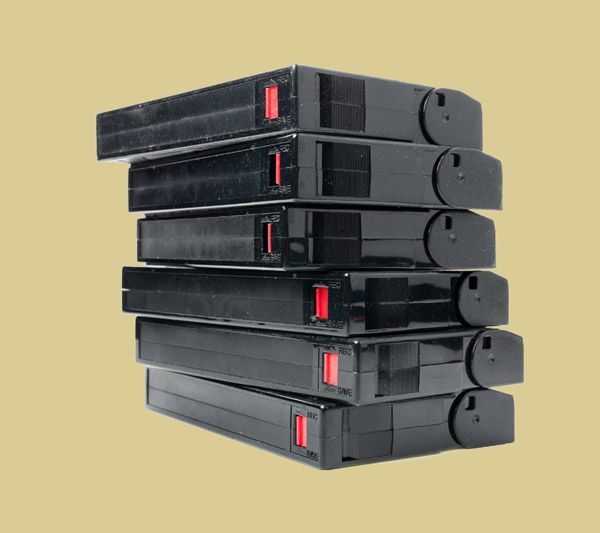
Keep Tapes Upright
Storing tapes upright helps prevent pressure damage and warping.
Avoid Magnetic Fields
Strong magnets or electrical equipment can affect the magnetic signal stored on the tape.
Handle Tapes Carefully
Avoid touching the exposed tape or dropping the cassette.
Although these steps can help protect your tapes, they cannot prevent deterioration forever. For even further information, please consult our guide on how to store VHS tapes properly.

Why Digitising VHS Tapes Is the Best Solution
Because magnetic tape naturally degrades, the safest way to preserve your recordings is to convert them to digital formats.
Digitising VHS tapes allows the footage to be stored as digital files that can be watched on modern devices such as:
- Smart TVs.
- Computers.
- Tablets.
- Mobile phones.
Many families choose VHS to USB conversion, so they can easily watch their home videos directly from a USB drive. This is the most popular option.
Another popular option is VHS to MP4 conversion, which creates digital video files that can be stored or backed up online.
The final option is the VHS to DVD conversion process.
Digital formats also make it much easier to share recordings with family members.
What Happens During VHS Digitisation?
When VHS tapes are converted to digital, the video signal is captured using specialist playback equipment and converted into a digital file.
The finished recordings can then be delivered in formats such as:
- USB drives.
- MP4 video files.
- DVDs.
This process ensures that the footage can be watched without relying on outdated VHS players.
You can learn more about how this process works through our VHS to Digital transfer service.
Preserve Your Family Memories Before They Fade
VHS tapes often contain irreplaceable moments; childhood birthdays, weddings, family holidays and everyday memories captured years ago.
Unfortunately, magnetic tape deterioration means these recordings will eventually fade if they remain on their original format.
Converting your tapes to digital formats protects those memories before they are lost and allows them to be easily watched and shared for generations to come.
If you have old VHS tapes stored away, digitising them now is the safest way to preserve the footage before time causes irreversible damage.