How to Convert Audio Cassette Tapes to Digital
Before CDs, streaming and digital music libraries, audio cassette tapes were one of the most common ways people recorded and listened to sound.
From the 1970s through to the 1990s, cassette tapes were used for:
- Music albums
- Personal recordings
- Dictation and voice recordings
- Radio recordings
- Family audio messages
Today many people still have boxes of cassette tapes stored in cupboards, lofts or drawers, but no longer own a cassette player to listen to them.
Even when a cassette deck is available, magnetic tape formats can deteriorate over time, meaning recordings may eventually become difficult or impossible to play.
For this reason, many people now choose to convert cassette tapes to digital formats, allowing the recordings to be preserved and played on modern devices.
In this guide we explain how audio cassette tapes can be converted to digital and what quality can be recovered from older recordings.
A Brief History of Audio Cassette Tapes
The compact cassette was introduced by Philips in 1963 and quickly became one of the most successful audio formats ever created.
Cassette tapes offered several advantages at the time:
- Portable music playback.
- Affordable recording equipment.
- Ability to record audio at home.
- Easy duplication of recordings.
By the 1980s and early 1990s, cassette tapes were widely used in home stereos, portable players, car audio systems and recording devices.
However, as digital formats such as CDs and later MP3 files became popular, cassette tapes gradually fell out of everyday use.
Today, cassette players are becoming increasingly rare, making digitisation the easiest way to preserve old recordings.
How Audio Is Stored on Cassette Tapes
Audio cassette tapes use magnetic tape technology, similar to video formats like VHS.
Inside the cassette shell is a thin strip of magnetic tape that stores sound as analogue electrical signals.
When played through a cassette deck:
- The tape passes over a playback head.
- The magnetic signal is converted into an electrical signal.
- The signal is amplified and played through speakers.
While this technology was extremely effective for its time, magnetic tape is susceptible to several long-term issues.
Why Cassette Tapes Should Be Digitised
Many cassette recordings are now 30 to 50 years old, and the tape material itself can gradually deteriorate.
Common problems include:
Magnetic Signal Loss
Over time, the magnetic particles on the tape can lose their strength, causing audio to fade or distort.
Tape Stretching
Repeated playback can stretch the tape, which may alter playback speed or damage recordings.
Mechanical Failures
Older cassette players may damage tapes if the mechanism is worn or misaligned.
Because of these risks, converting cassette recordings to digital formats ensures the audio can be preserved safely.

Methods for Converting Cassette Tapes to Digital
There are two main ways to digitise cassette recordings.
Converting Cassette Tapes at Home
Some people attempt to convert cassette tapes themselves using home equipment.
This typically involves connecting a cassette deck to a computer using a USB audio capture device.
Equipment required
- A working cassette player or tape deck.
- RCA or headphone audio cables.
- USB audio capture interface.
- Audio recording software.
- A computer with sufficient storage.
The cassette tape is played back in real time while the computer records the audio signal.
Limitations of home cassette transfers
While possible, this process can be challenging:
- Requires working playback equipment.
- Audio levels must be carefully adjusted.
- Transfers must be recorded in real time.
- Older decks may produce noise or distortion.
Because of these limitations, many people choose professional audio transfer services.
Professional Cassette Tape Digitisation
Professional audio transfer services use dedicated playback equipment and digital recording systems to capture cassette recordings accurately.
This ensures:
- Stable playback.
- Clean audio capture.
- Proper digital encoding.
- Preservation of the original recording quality.
Once digitised, cassette recordings can be stored as modern audio files that are easy to copy and back up.
You can learn more about the process on our audio cassette to digital conversion page.
Best Digital Formats for Cassette Transfers
Once cassette recordings have been digitised, the audio can be delivered in several different formats, with the most popular service choice being the audio cassette to USB transfer service.
Audio Cassette to MP3
MP3 is one of the most widely supported audio formats available today.
MP3 files can be played on:
- Computers.
- Smartphones.
- Tablets.
- Smart speakers.
Because of its compatibility and smaller file size, MP3 is a popular choice for everyday listening, with more information available on our audio cassette to MP3 service page.
Cassette to WAV
WAV files store audio without compression, meaning they preserve the full quality of the original recording.
These files are often used for:
- Archival storage.
- Audio editing.
- Professional audio work.
Some people choose both MP3 for convenience and WAV for archival purposes, and also wav files are used the process for audio cassette to CD transfers.
What Audio Quality Can Be Recovered?
The audio quality of cassette recordings depends largely on:
- The original recording equipment.
- The condition of the tape.
- Storage conditions over the years.
Typical cassette tapes recorded audio within a frequency range of approximately:
30 Hz – 16 kHz
While this is lower than modern digital audio formats, cassette recordings can still sound surprisingly clear when transferred properly.
Digitisation captures the audio exactly as it exists on the tape, ensuring the original recording is preserved.
Digitising Audio Alongside Video Archives
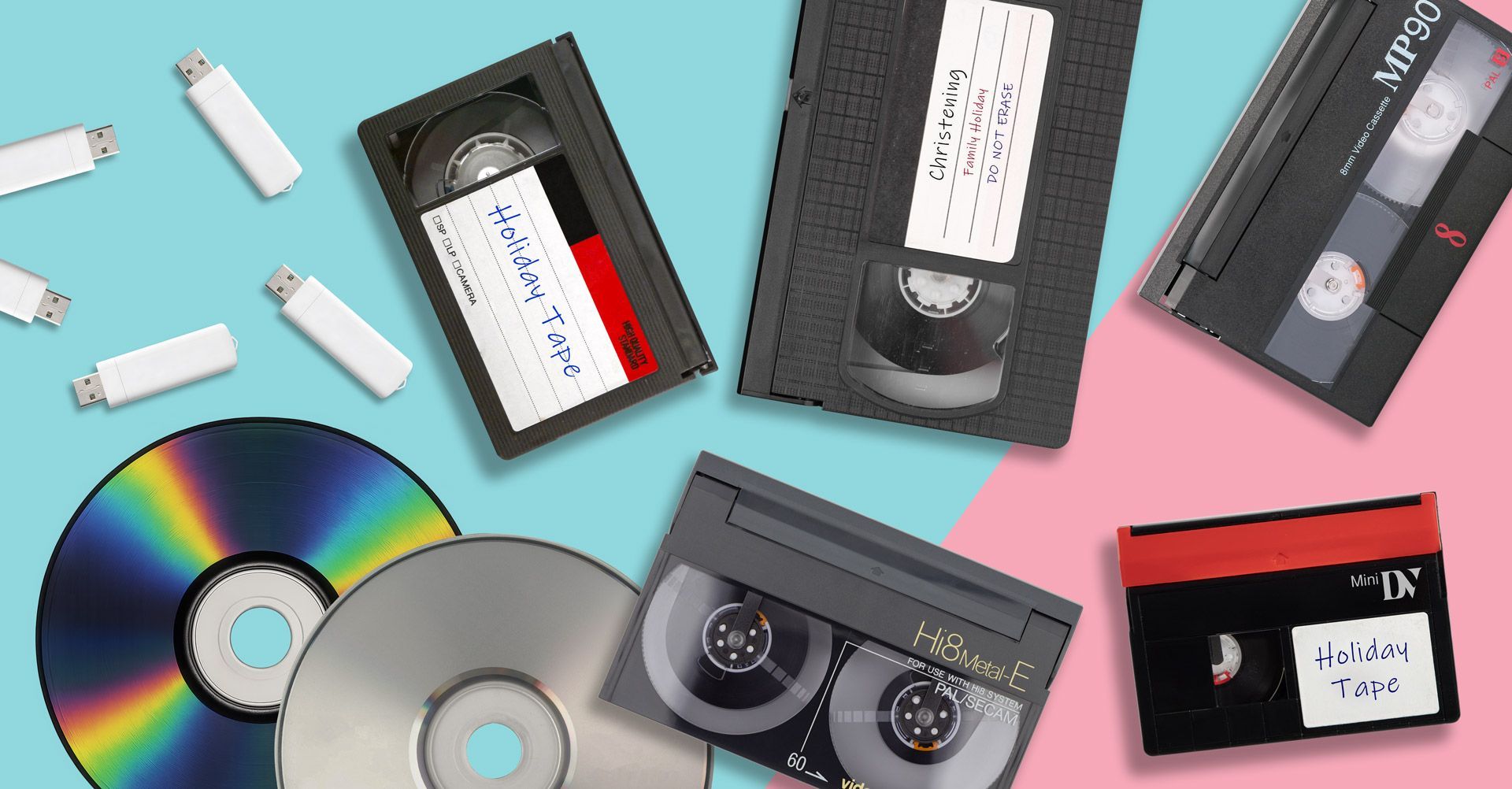
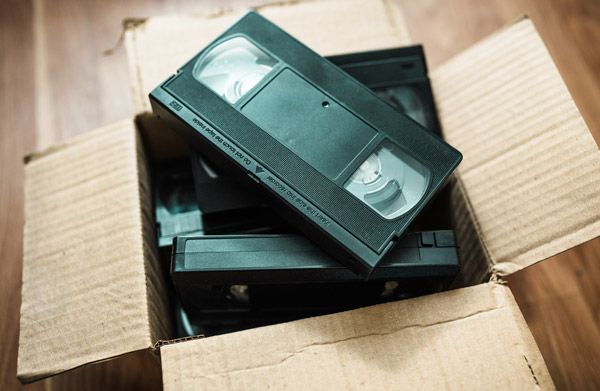
Many households that convert old cassette recordings also have other analogue media formats stored away, including:
If you are already digitising audio recordings, it is often worth reviewing your full collection of media.
Our guides on:
explain why preserving older media formats early can prevent permanent loss of recordings.
You can also explore our
audio cassette to digital conversion services for more information on the formats we convert.
Preserving Historic Audio Recordings
Audio cassette tapes played an important role in the history of recorded sound.
For many families they contain unique recordings that may not exist anywhere else, such as:
- Personal voice recordings.
- Family interviews.
- Live music performances.
- Old radio broadcasts.
Unfortunately, cassette tapes were never designed for long-term archival storage.
By converting cassette tapes to digital formats, those recordings can be safely preserved and enjoyed again on modern devices.
Digitisation ensures that the sounds and voices captured on these tapes remain accessible for many years to come.