Why You Should Digitise Old Tapes Now

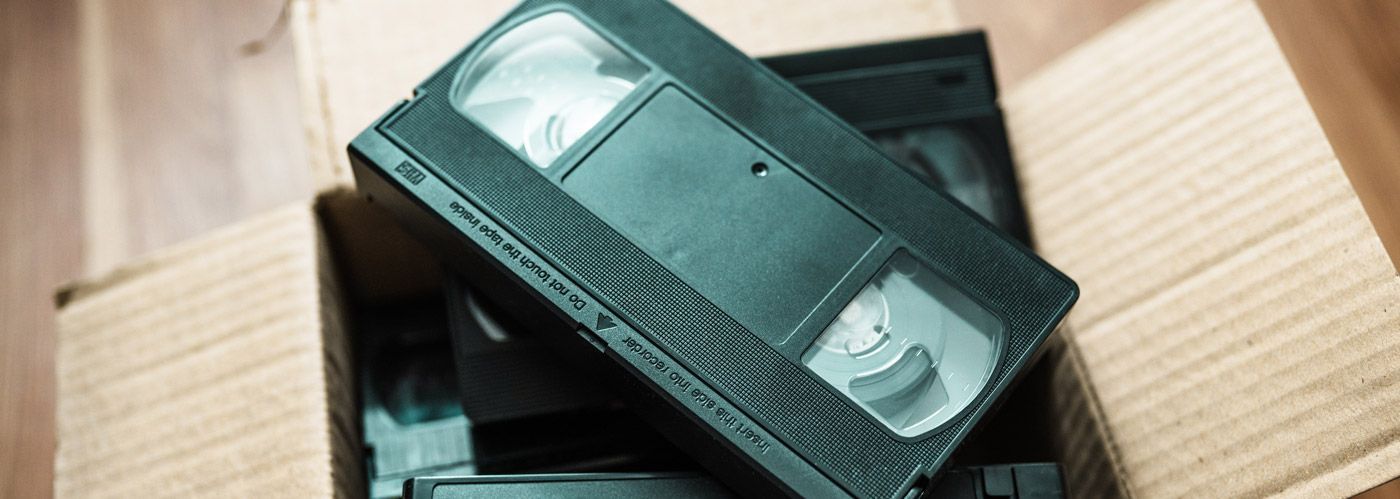
Many households still have boxes of old VHS tapes, camcorder tapes and home video recordings stored in cupboards, lofts or drawers.


These tapes often contain irreplaceable memories such as family holidays, weddings, birthdays and anniversaries captured years ago.


However, what many people don’t realise is that magnetic tapes were never designed to last forever.


As time passes, the quality of the recordings slowly degrades, and the equipment needed to play them becomes harder to find.


Because of this, more people are choosing to digitise old tapes now before the recordings are permanently lost.


In this guide we explain why converting VHS and camcorder tapes into digital formats is becoming increasingly important.

Magnetic Tapes Deteriorate Over Time

VHS tapes and many camcorder formats store video using magnetic tape technology.


Over time, the materials used in these tapes begin to break down.


This natural ageing process can lead to several problems, including:


  • Fading picture quality.
  • Audio distortion.
  • Tracking issues.
  • Tape stretching.
  • Dropouts and missing footage.


Environmental factors can accelerate this deterioration.


Heat, humidity and dust can all damage magnetic tapes, especially if they have been stored for many years.


Our guide on do VHS tapes deteriorate over time explains how magnetic tape degradation can affect old recordings.

VHS Players Are Becoming Rare

VHS Players Are Becoming Rare

Another major reason to digitise old tapes is the decline of VHS playback equipment.


VHS players were once found in almost every home, but they are no longer manufactured.


This means:


  1. Working VHS players are becoming harder to find.
  2. Replacement parts are scarce.
  3. Repairs are often expensive or impossible.


Even if you still own a VHS player today, it may eventually fail.


Without a working player, it becomes impossible to watch the tapes.


Digitising your tapes ensures the videos can still be watched on modern devices without relying on outdated equipment.

Camcorder Tapes Are Even Harder to Watch

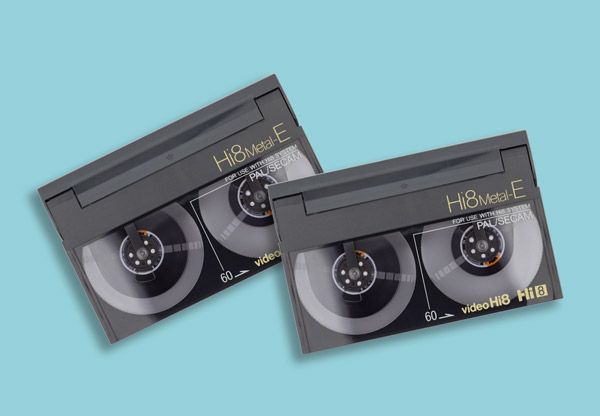
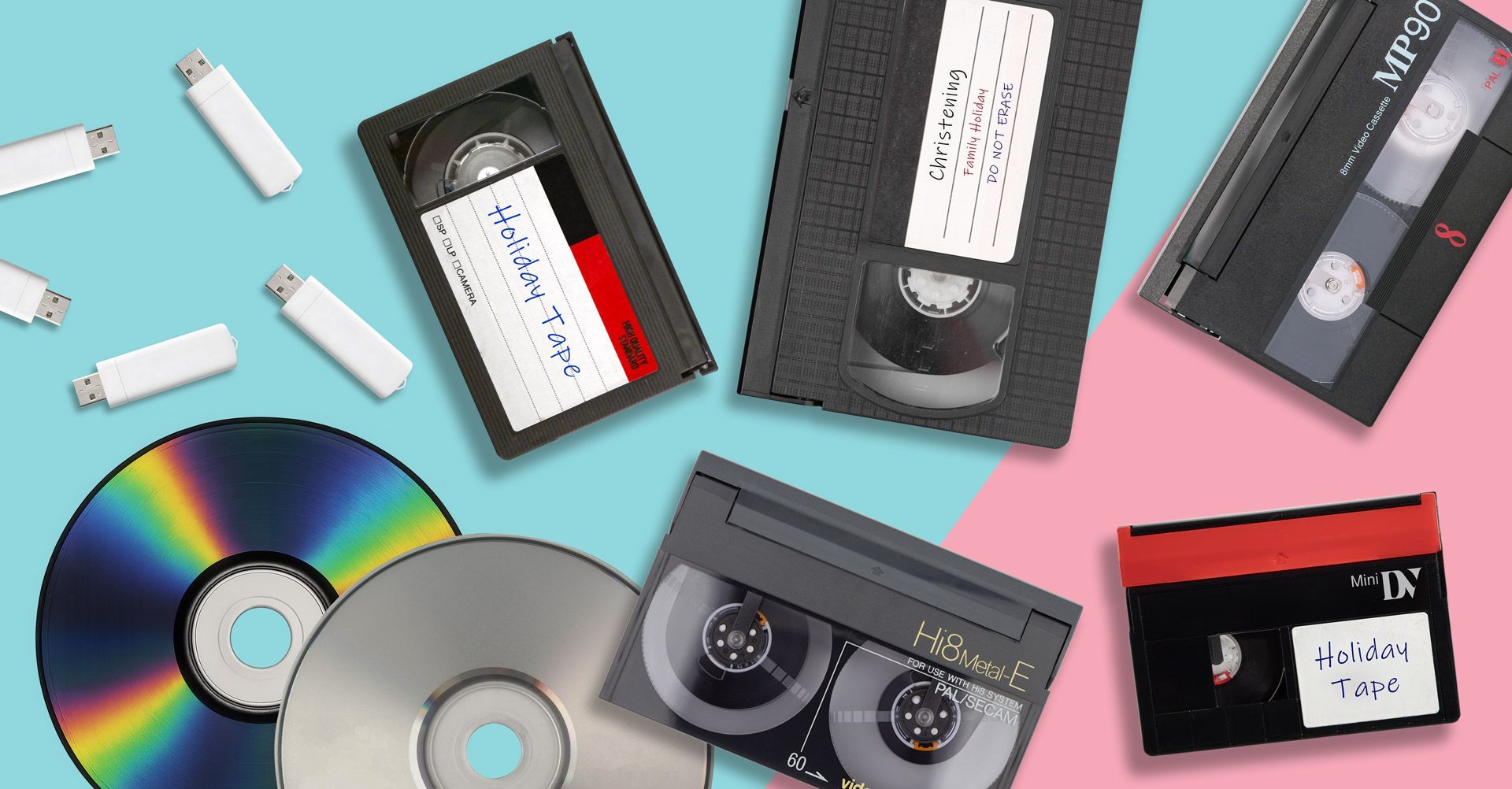
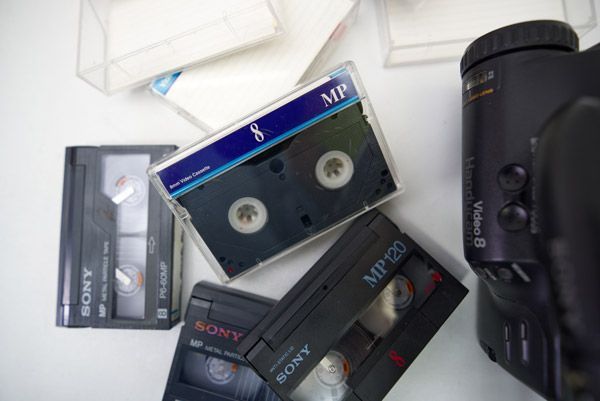
Many people also have old camcorder tapes such as:


  • MiniDV
  • Video8
  • Hi8
  • VHS-C


Unlike VHS tapes, these formats often require specific camcorders to play them.


Unfortunately, many of these camcorders are no longer available, and batteries or chargers may be difficult to replace.


Our guide on MiniDV tapes explained covers why older camcorder formats can be difficult to access today.

Digital Formats Are Easier to Store and Watch

Once tapes have been through the videotape to digital conversion process, the videos become much easier to store and watch.


Digital files can be saved on:


  • USB drives.
  • Computers.
  • External hard drives.
  • Cloud storage services.


Many people choose VHS to USB conversion because it allows videos to be easily played on computers and smart TVs.


Another popular option is VHS to MP4 conversion, which creates files compatible with most modern devices.


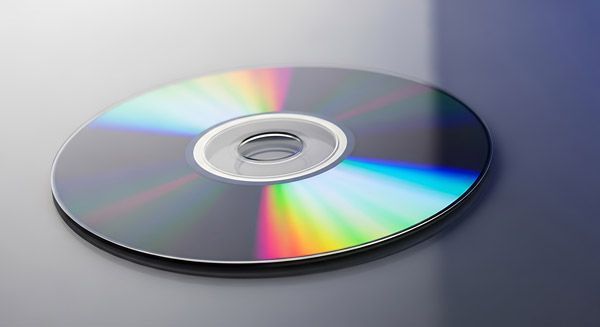
Some people do still prefer DVD's and utilise the VHS to DVD conversion service, but over recent years, this service has become less popular.


Digital video formats also allow the footage to be copied and backed up, protecting it from loss.

Digital videos can be shared easily

Digital Videos Can Be Shared Easily

One of the biggest advantages of digitising old tapes is the ability to share the recordings with family and friends.


Once your videos are converted into digital files, they can be:


  • Copied and shared with relatives.
  • Uploaded to private cloud storage.
  • Edited or compiled into highlight videos.
  • Watched on smartphones, tablets and smart TVs.


This makes it much easier for multiple family members to enjoy old home videos without needing the original tapes.

Tape Damage Can Be Permanent

Many people assume their tapes will still be playable in the future.


Unfortunately, tape damage is often irreversible.


If magnetic tape becomes badly degraded, the video signal may be permanently lost.


Problems such as mould, tape warping or broken reels can make recordings difficult or impossible to recover.


Because of this, it is always safer to digitise tapes before serious deterioration occurs.

Professional Tape Transfer Services

Although some people attempt to convert tapes at home, the process often requires specialised equipment.


Typical home setups require:


  1. A working VHS player or camcorder.
  2. Video capture hardware.
  3. Recording software.
  4. A computer capable of processing the video.


Professional VHS to Digital conversion services use dedicated playback equipment to safely transfer tapes into modern digital formats.


This ensures your recordings are handled carefully and converted with the best possible quality.

Preserve Your Family Memories

Preserve Your Family Memories

Old video tapes often contain some of the most valuable family memories ever recorded.


Unfortunately, these recordings were stored on technology that slowly degrades with age.


Digitising your tapes now protects those memories before the tapes deteriorate or playback equipment becomes impossible to find.


Once converted into digital formats, your videos can be safely stored, shared and enjoyed for many years to come.


If you still have old tapes stored away, converting them now is the best way to ensure those memories are preserved for future generations.

Recent Posts

How to Convert Video8 Camcorder Tapes to Digital
March 13, 2026
Learn how to convert Video8 camcorder tapes to digital. Discover how to transfer Video8 tapes to USB, MP4 or DVD and preserve old home videos.
How to Convert VHS-C Camcorder Tapes to Digital
March 12, 2026
Learn how to convert VHS-C camcorder tapes to digital. Discover the best ways to transfer VHS-C tapes to USB, MP4 or DVD and preserve old home videos.
How Much Does VHS to Digital Cost?
March 9, 2026
How much does VHS to digital conversion cost? Learn typical VHS transfer prices, what affects the cost and the best way to convert VHS tapes.
USB vs DVD for VHS Transfers
March 8, 2026
USB vs DVD for VHS transfers explained. Discover the best format for converting VHS tapes and preserving your home videos digitally.
VHS vs Digital Video Quality
March 6, 2026
Compare VHS vs digital video quality. Learn the differences between VHS tapes and digital video, and why converting VHS to digital preserves your recordings.
MiniDV Tapes Explained (And How to Watch Them Today)
March 3, 2026
What are MiniDV tapes and how can you watch them today? Learn how MiniDV camcorder tapes work and the best ways to convert MiniDV to digital.
How to Store VHS Tapes Properly
March 1, 2026
Learn how to store VHS tapes properly to prevent damage and deterioration. Discover the best ways to protect old VHS tapes and preserve your home videos.
Learn how to convert camcorder tapes to digital
February 28, 2026
Learn how to convert camcorder tapes to digital. Discover the best ways to digitise Video8, Hi8, MiniDV and VHS-C tapes to preserve your old home videos.
Do VHS Tapes Deteriorate Over Time?
February 18, 2026
Do VHS tapes deteriorate over time? Learn how long VHS tapes last, why they degrade, and how converting VHS to digital can preserve your memories.
What Is VHS-C and How Do You Play It?
February 3, 2026
What is VHS-C? Learn how VHS-C camcorder tapes work, how to play them today, and the best way to convert VHS-C tapes to digital formats.
Show More