How Much Does VHS to Digital Cost?

If you’ve discovered a box of old VHS tapes at home, you may be wondering how much it costs to convert them into digital formats.


Many families now choose to convert VHS tapes to digital so they can watch their recordings on modern devices without needing an old VHS player.


But the price of VHS conversion can vary depending on several factors, including the format you choose and the number of tapes being transferred.


In this guide we explain how much VHS to digital conversion typically costs, what affects the price, and why digitising your tapes can help protect your recordings for the future.

Why People Convert VHS Tapes to Digital

VHS tapes were once the most common way to record and watch home videos.


However, as technology has changed, VHS players have become increasingly difficult to find. At the same time, the magnetic tapes used in VHS cassettes naturally deteriorate over time.


Common problems with ageing VHS tapes include:


  • Fading video quality.
  • Audio distortion.
  • Tape stretching.
  • Tracking lines.
  • Mould damage.


Because of this, many people now choose to convert VHS tapes into digital formats before the recordings become permanently damaged.


Our guide on do VHS tapes deteriorate over time explains why older tapes can gradually lose quality, and we also give advice on how to store VHS tapes properly.

Why People Convert VHS Tapes to Digital

Average Cost of VHS to Digital Conversion

The cost of converting VHS tapes to digital can vary depending on the service provider and the format you choose.


In the UK, typical prices for VHS conversion are often based on price per tape.


Typical ranges include:


  • £10 – £25 per VHS tape for standard transfers.
  • Additional cost for USB drives or DVDs.
  • Discounts when converting multiple tapes.


Prices may also vary depending on the length of the recording.


Some services charge based on tape duration, while others charge a flat rate per cassette.

What Affects the Cost of VHS Conversion?

Several factors can influence the cost of converting VHS tapes to digital.


Number of Tapes


Many services offer lower prices when transferring larger batches of tapes.


If you have several tapes, the cost per tape may be reduced.


Output Format


The format you choose can also affect pricing.


For example:


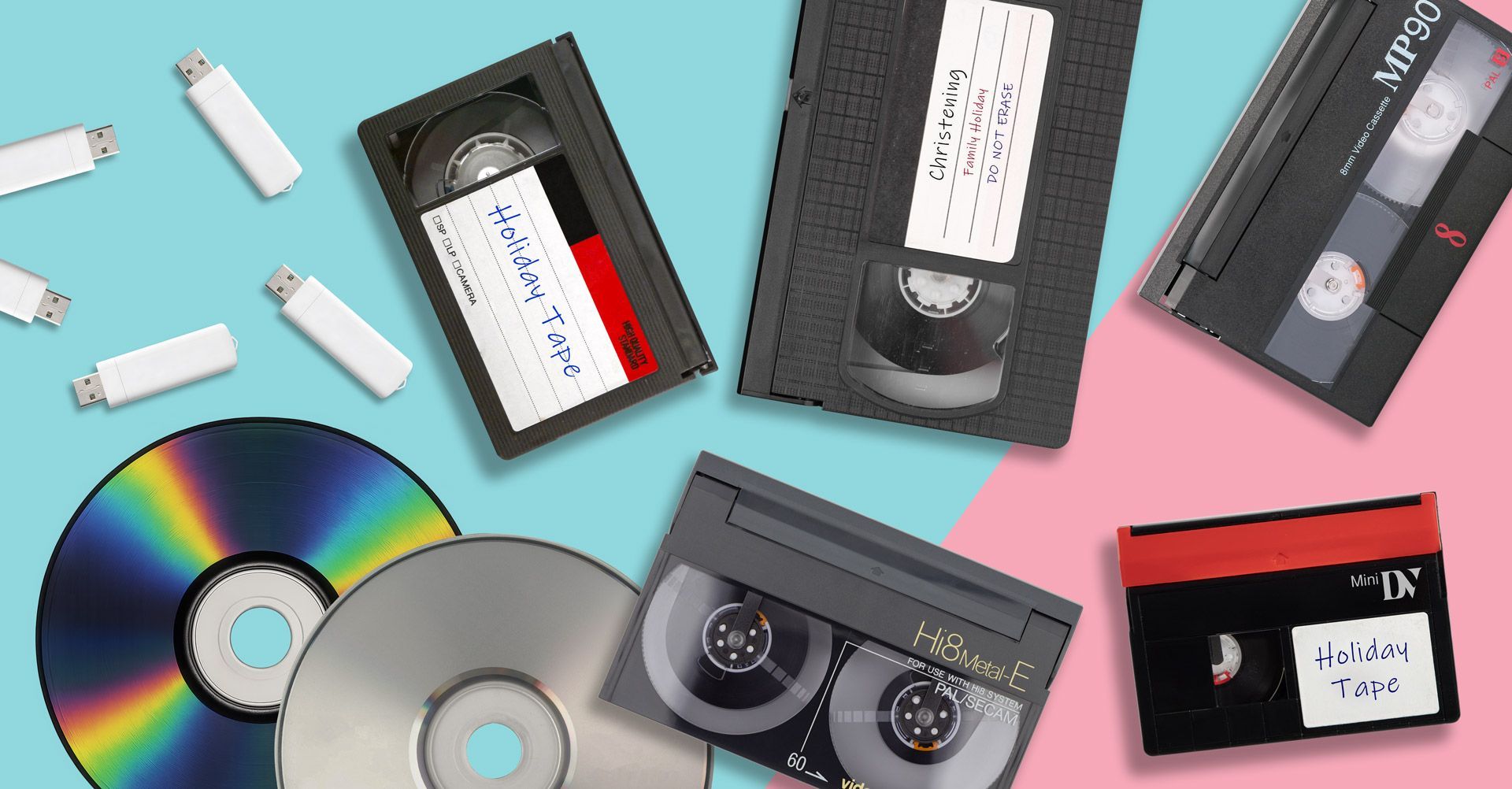
  • DVD transfers.
  • USB transfers.
  • Digital file formats such as MP4.


Each format requires different processing and storage options.


Tape Length


Longer tapes may take more time to convert, which can sometimes increase the cost.


For example:


  • Standard tapes (2 hours)
  • Extended recordings (4–6 hours)


Tape Condition


Older tapes that are damaged or affected by mould may require additional work before they can be safely transferred.

USB vs DVD Transfers

Two of the most common formats for VHS conversion are USB drives and DVDs.


DVDs were once the most popular option because they could easily be played on televisions.


However, many modern devices no longer include DVD drives, which has made digital file formats more practical and VHS to DVD conversions become more specific and applicable to more specific circumstances.


Many people now prefer VHS to USB conversion because it allows videos to be played on computers, smart TVs and other modern devices.


Our guide on USB vs DVD for VHS transfers explains the advantages of each format in more detail.

Converting VHS to MP4 Files

Another common option is converting VHS tapes into MP4 digital video files.


MP4 is one of the most widely supported video formats and works on most devices.


Videos stored as MP4 files can be:


  1. Played on computers.
  2. Uploaded to cloud storage.
  3. Copied to multiple devices.
  4. Shared with family members.
  5. Be editable in modern video editing platforms.


Many people choose VHS to MP4 conversion because it provides the most flexible way to store home videos.

Why Professional VHS Conversion Is Often Worth It

Why Professional VHS Conversion Is Often Worth It

While it is technically possible to convert VHS tapes at home, the process usually requires specialised equipment such as:


  • A working VHS player.
  • Video capture hardware.
  • Recording software.


Many of these devices are now difficult to find or unreliable due to age.


Professional conversion services use dedicated playback equipment designed specifically for transferring older tapes.


Using a VHS to Digital transfer service ensures your recordings are handled carefully and converted into formats that work with modern devices.

Protect Your Old Home Videos

VHS tapes may still play today, but they will not last forever.


Magnetic tape technology naturally degrades with age, which means the quality of your recordings may gradually decline.


Converting your tapes into digital formats preserves the footage and allows it to be watched on modern devices without relying on outdated VHS players.


If you have old tapes stored away, digitising them now is the best way to ensure those memories are not lost.

VHS tapes may still play today, but they will not last forever.


Magnetic tape technology naturally degrades with age, which means the quality of your recordings may gradually decline.


Converting your tapes into digital formats preserves the footage and allows it to be watched on modern devices without relying on outdated VHS players.


If you have old tapes stored away, digitising them now is the best way to ensure those memories are not lost.

Recent Posts

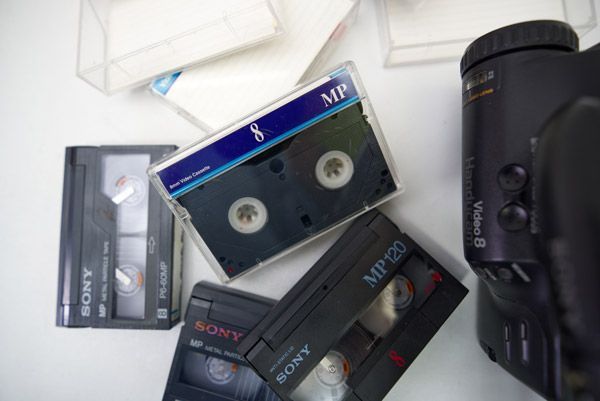
How to Convert Video8 Camcorder Tapes to Digital
March 13, 2026
Learn how to convert Video8 camcorder tapes to digital. Discover how to transfer Video8 tapes to USB, MP4 or DVD and preserve old home videos.
How to Convert VHS-C Camcorder Tapes to Digital
March 12, 2026
Learn how to convert VHS-C camcorder tapes to digital. Discover the best ways to transfer VHS-C tapes to USB, MP4 or DVD and preserve old home videos.
Why You Should Digitise Old Tapes Now
March 10, 2026
Discover why you should digitise old VHS and camcorder tapes now. Learn how tape deterioration can destroy home videos and how digital conversion preserves them.
USB vs DVD for VHS Transfers
March 8, 2026
USB vs DVD for VHS transfers explained. Discover the best format for converting VHS tapes and preserving your home videos digitally.
VHS vs Digital Video Quality
March 6, 2026
Compare VHS vs digital video quality. Learn the differences between VHS tapes and digital video, and why converting VHS to digital preserves your recordings.
MiniDV Tapes Explained (And How to Watch Them Today)
March 3, 2026
What are MiniDV tapes and how can you watch them today? Learn how MiniDV camcorder tapes work and the best ways to convert MiniDV to digital.
How to Store VHS Tapes Properly
March 1, 2026
Learn how to store VHS tapes properly to prevent damage and deterioration. Discover the best ways to protect old VHS tapes and preserve your home videos.
Learn how to convert camcorder tapes to digital
February 28, 2026
Learn how to convert camcorder tapes to digital. Discover the best ways to digitise Video8, Hi8, MiniDV and VHS-C tapes to preserve your old home videos.
Do VHS Tapes Deteriorate Over Time?
February 18, 2026
Do VHS tapes deteriorate over time? Learn how long VHS tapes last, why they degrade, and how converting VHS to digital can preserve your memories.
What Is VHS-C and How Do You Play It?
February 3, 2026
What is VHS-C? Learn how VHS-C camcorder tapes work, how to play them today, and the best way to convert VHS-C tapes to digital formats.
Show More