How to Watch VHS Tapes Without a VCR
If you’ve recently found a box of old VHS tapes, you’re not alone. Many families across the UK still have shelves, loft boxes or drawers full of home videos recorded during the 80s, 90s and early 2000s.
The problem is that VHS players (VCRs) have largely disappeared from modern homes. Most modern TVs no longer include the connections needed to play them, and working VCRs are becoming harder to find every year.
So how do you watch VHS tapes without a VCR?
In this guide we’ll explain the different options available, the pros and cons of each method, and the best long-term way to preserve your old VHS tapes.
Why VHS Players Are Disappearing
VHS technology dominated home video for decades, but production of new VCR players officially stopped in 2016. Since then, the only machines available are second-hand units.
This creates several problems:
- Many old VCRs are unreliable.
- Spare parts are difficult to find.
- Tape heads wear down over time.
- Modern televisions often lack the required connections.
Even if you manage to find a working player, there is another issue: VHS tapes themselves deteriorate over time.
Magnetic tape slowly degrades, which means your recordings could fade or become damaged permanently if they are not preserved.

Option 1: Buy a Second-Hand VCR
One of the simplest ways to watch VHS tapes is to buy a used VCR from places like online marketplaces or charity shops.
Pros
- Cheap and quick solution.
- Allows you to play tapes immediately.
Cons
- Machines may be unreliable.
- No long-term preservation of your footage.
- May not connect easily to modern TVs.
Many people also discover that their VCR breaks after only a few uses, as these machines are now decades old.
For this reason, many families choose to convert their tapes instead.
If you want to protect your recordings permanently, consider converting your tapes with a professional
VHS to Digital transfer service.
Option 2: Use a VHS to Digital Capture Device
Another option is to transfer the tape to a computer using a VHS capture device.
This method typically involves:
- Connecting a VCR to a capture device.
- Connecting the device to a computer.
- Recording the tape in real time.
Pros
- Allows you to digitise footage yourself.
- Creates digital video files.
Cons
- Requires a working VCR.
- Setup can be complicated.
- Quality may vary.
- Transfers must happen in real time.
For example, a 3-hour VHS tape will take 3 hours to convert.
Because of this, many people prefer to use a professional service that handles the entire process.
If you would like to convert your tapes to a computer-friendly format, you can learn more about
VHS to MP4 conversion.
Option 3: Convert VHS Tapes to USB or Digital Files
The most popular modern solution is converting VHS tapes into digital formats such as:
- MP4 video files.
- USB storage.
- Cloud storage.
- DVD copies.
Once converted, your videos can be watched on:
- Smart TVs.
- Computers.
- Tablets.
- Mobile phones.
Digital files are also easy to share with family members and can be safely backed up.
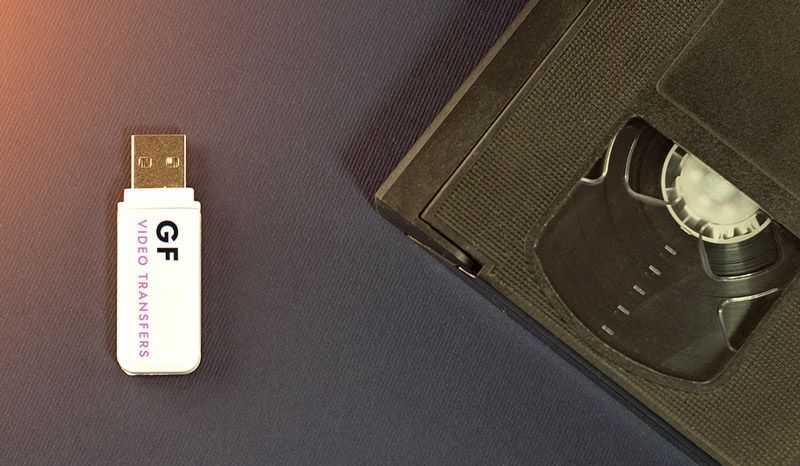
Many families choose VHS to USB conversion so they can simply plug the USB stick into their TV or computer and watch their old home videos instantly.

Why Converting VHS Tapes Is the Best Long-Term Solution
While finding a VCR might allow you to watch your tapes today, it does not solve the long-term problem of tape deterioration.
Magnetic tapes gradually lose quality over time. This process can lead to:
- Fading video.
- Distorted sound.
- Mould growth.
- Permanent data loss.
Digitising your VHS tapes protects those memories before they are lost.
Professional transfer services use specialist equipment to safely capture and convert the footage while maintaining the best possible quality.
If you have important family recordings, wedding footage or childhood videos, converting them now helps ensure they can still be watched decades from now.
You can learn more about preserving your recordings with our VHS to Digital service.
Other Types of Tapes You May Find
Many people discover they have several different types of tapes stored away.
Common formats include:
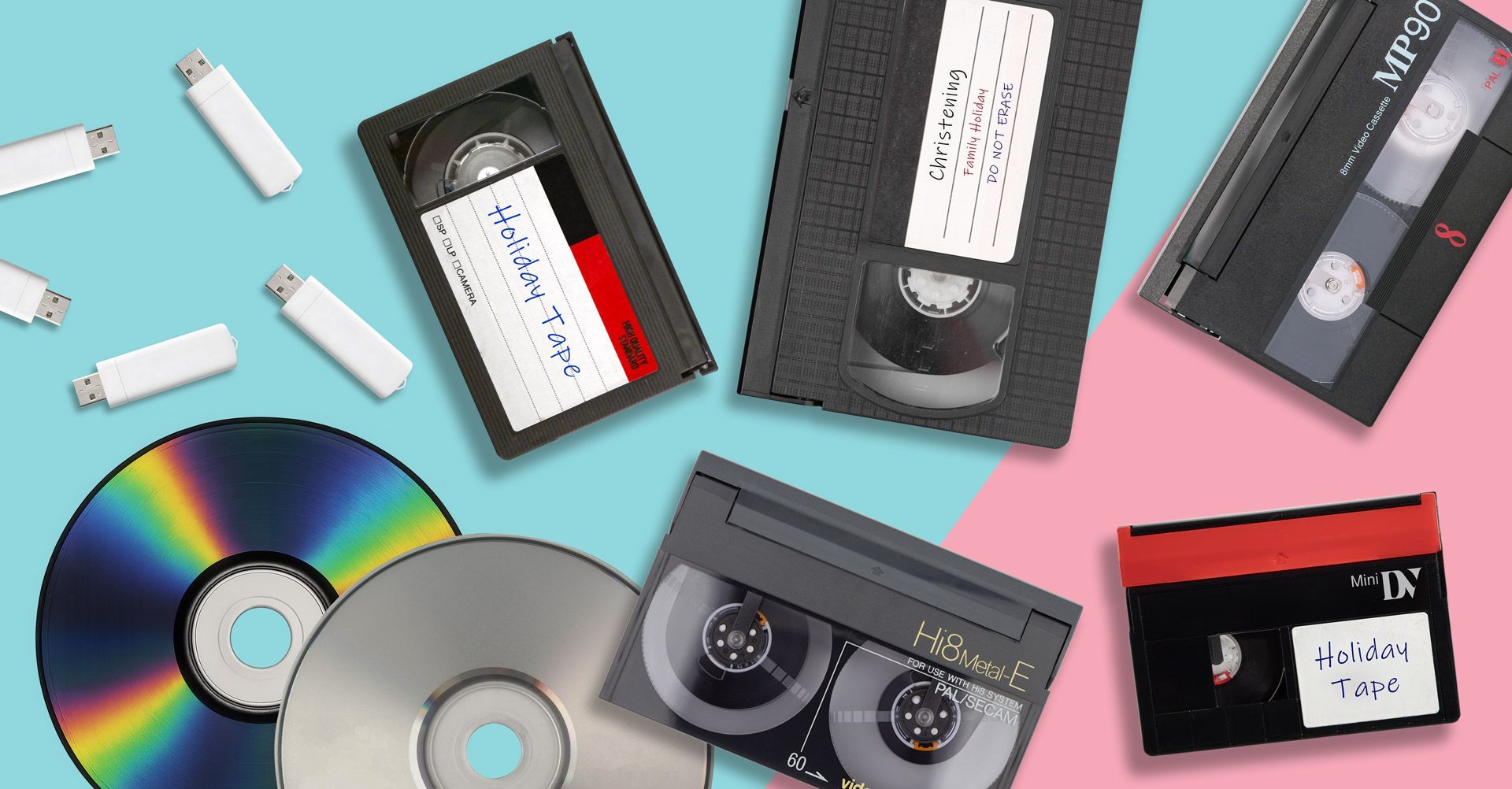
- VHS-C camcorder tapes.
- MiniDV tapes.
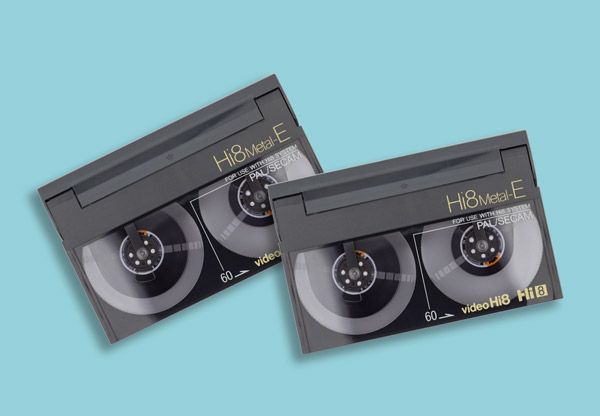
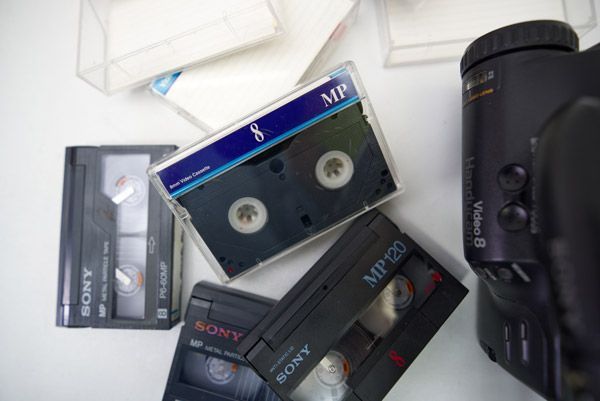
- Video8 tapes.
- Hi8 tapes.
These formats also require specialist equipment to play or convert.
If you have camcorder tapes that you can no longer watch, you may find our guide on how to watch old camcorder tapes helpful.
Final Thoughts
Finding old VHS tapes can bring back wonderful memories, but without the right equipment they can be difficult to watch today.
While buying a second-hand VCR is one option, the safest long-term solution is converting your tapes into digital formats that can be watched on modern devices.
Digitising your videos not only makes them easier to watch and share, but it also protects those irreplaceable memories for the future.
If you have VHS tapes that you would like to preserve, our VHS to Digital transfer service can help convert them safely into modern formats.